
The Secret Recipe to making it as a Digital Nomad
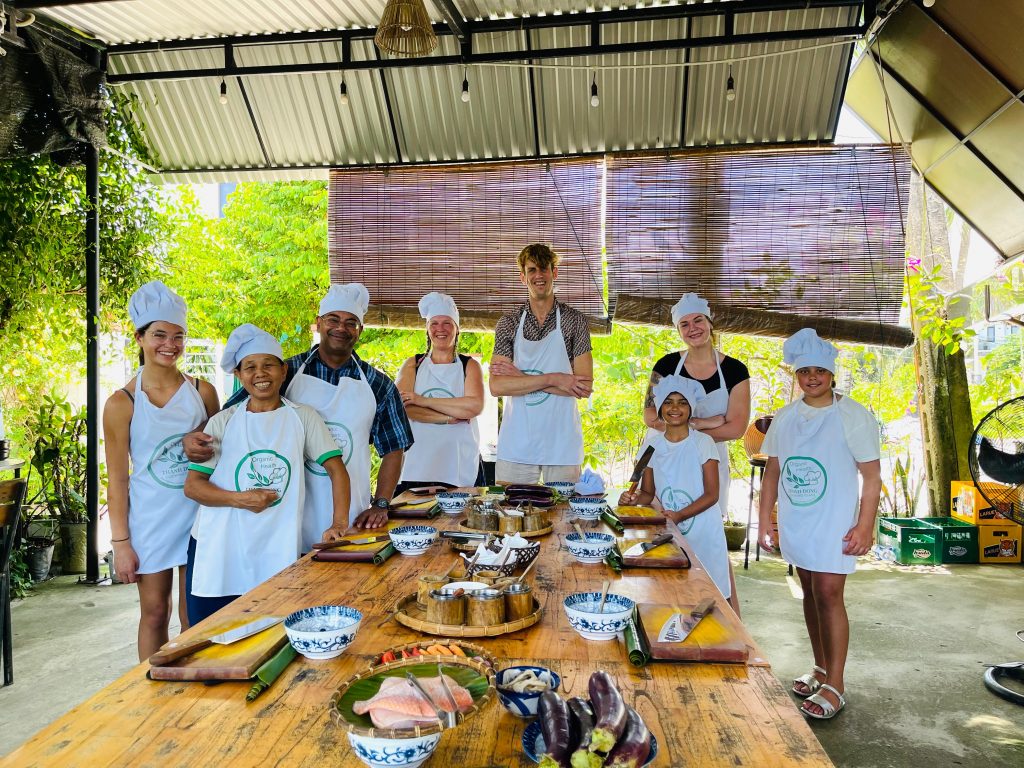
In preparation for becoming a Digital Nomad, I went through old bank statements from previous trips to understand how I spent money abroad. If you are trying to operate globally across different currencies and cost structures, understanding your behaviour and mastering finances is essential.
Two trips stood out. Mexico and Switzerland. One is meant to be cheap. The other is one of the most expensive countries in the world. Yet the daily burn rate was oddly identical.
The reason was simple. Behaviour.
In Mexico, it was constant eating out, lots of drinks and “it’s cheap, why not” decisions. In Switzerland, it was hiking and using supermarkets and cooking most meals due to the high prices. Same spend per day, completely different approach.
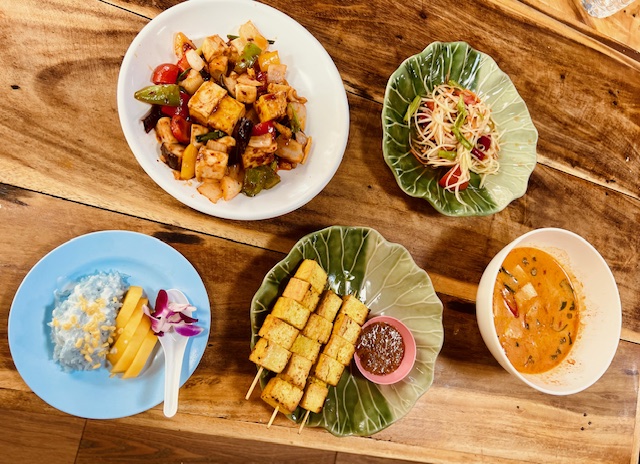
That was the moment it suddenly clicked. One of the biggest cost drivers when travelling is eating out. If you cannot control that, the entire Digital Nomad model breaks. What starts as a plan to benefit from currency arbitrage quickly turns into a slow financial leak. Eating out every day simply does not work long term, especially in expensive countries. The numbers escalate quickly, and so does your waistline!
This is where most digital nomads get it wrong. They assume a cheap country will save them. It doesn’t. Meals are cheaper, so they eat out more often. Drinks are half price, so they drink twice as much. Behaviour expands into eating the Currency Arbitrage.
A cheap environment with poor discipline and eating out too much soon becomes expensive.
Once I understood that, I realised that being able to cook globally would give me control. Not just over costs, but over how I lived day to day. It removes dependence on restaurant pricing, which can fluctuate wildly.
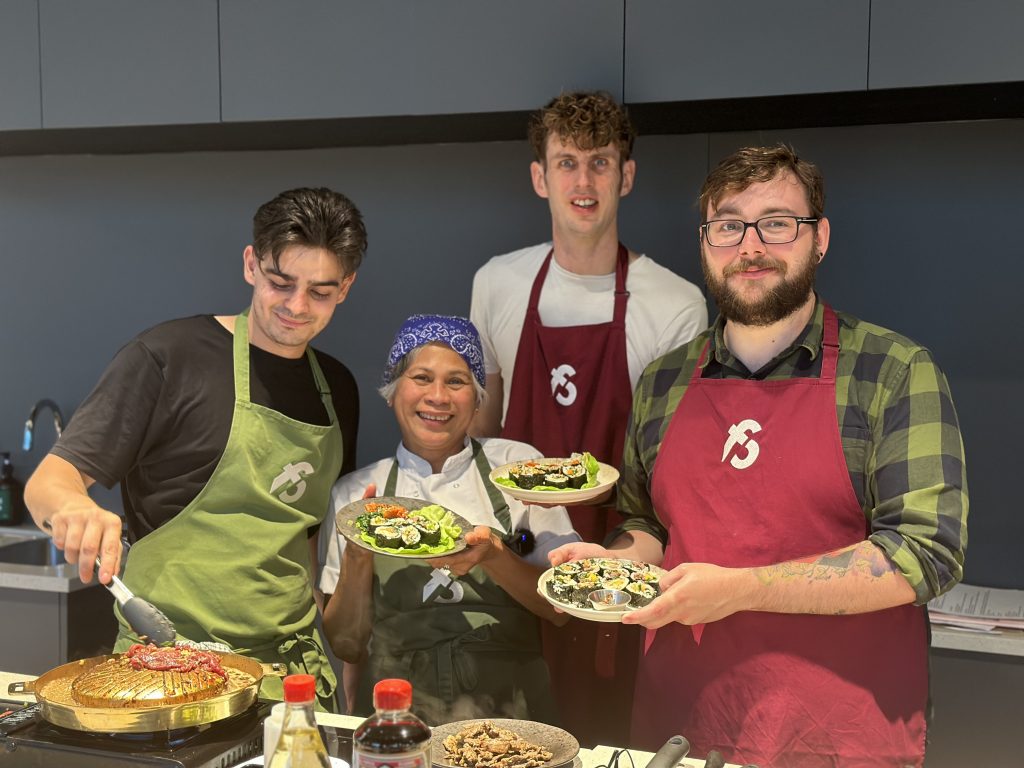
At the start of 2024, I took it seriously. I signed up to Food Sorcery in Manchester and ended up doing around fifteen excellent classes across different global cuisines. Vietnamese, Thai, Mexican to name but a few. Working with proper chefs and ex-restaurateurs was a game changer. What started as a practical decision quickly became something I loved. There is a real satisfaction in understanding ingredients, building flavours, and seeing a dish come together and learning from passionate chefs.
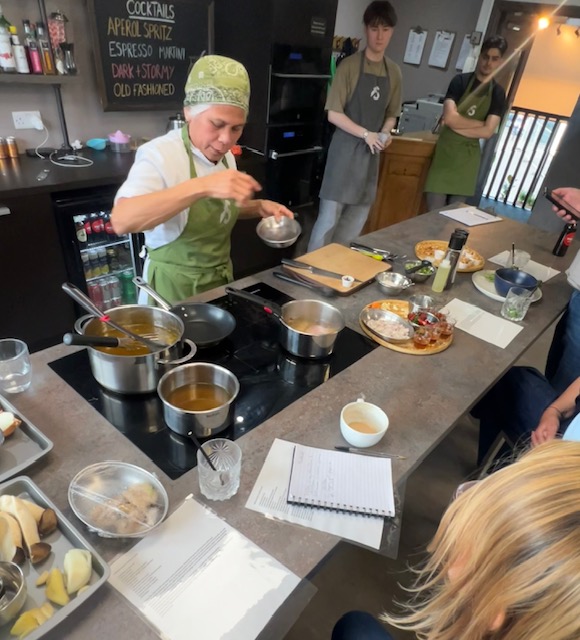
Alongside that, I practised relentlessly. I lived next to Chinatown in Manchester and did most of my shopping there. It forced me to work with international ingredients. Walking into shops where I did not recognise half the products, figuring things out, experimenting, and improving. That is where the real learning happens.
By the time I stepped onto the Eurostar in Sept 2024 to start my nomad life, I had spent hours obsessively building cooking skills and hardly any time planning travel. In fact, I had only booked my first Air B&B.
But I knew the maths: If I could cook, I could travel anywhere.
Western Europe was the first real test. Airbnbs were expensive and eating out even more so. In many places, a decent meal is €40+. Without cooking, I’d have been well over £7,000+ a month. I managed to keep Western Europe manageable and in Eastern Europe, I benefited from currency arbitrage savings instead of handing it to restaurants.
Japan made it even clearer. I spent five weeks there and quickly realised cooking was essential. Tokyo at £120 a night isn’t cheap, but the supermarkets are excellent quality. Seven Elevens in Japan are a real Japanese cultural experience too! By cooking most meals, my monthly cost was only £5,100. Given the cost of apartments there it was essential.
This is the key point, it gives you optionality. Cooking stabilises your costs across countries and lets you choose when to spend, rather than being at the whim to currencies and restaurant prices. After all, it is great to enjoy a Michelin-level meal occasionally, but it should be a choice, not a financial drain.
Cooking naturally pulls you deeper into a place. It is not just about cost, it is about experience. Living in an Airbnb and cooking like a local feels far more organic than sitting in a 5-star resort, glugging cocktails that you can get in your local Yates Bar.
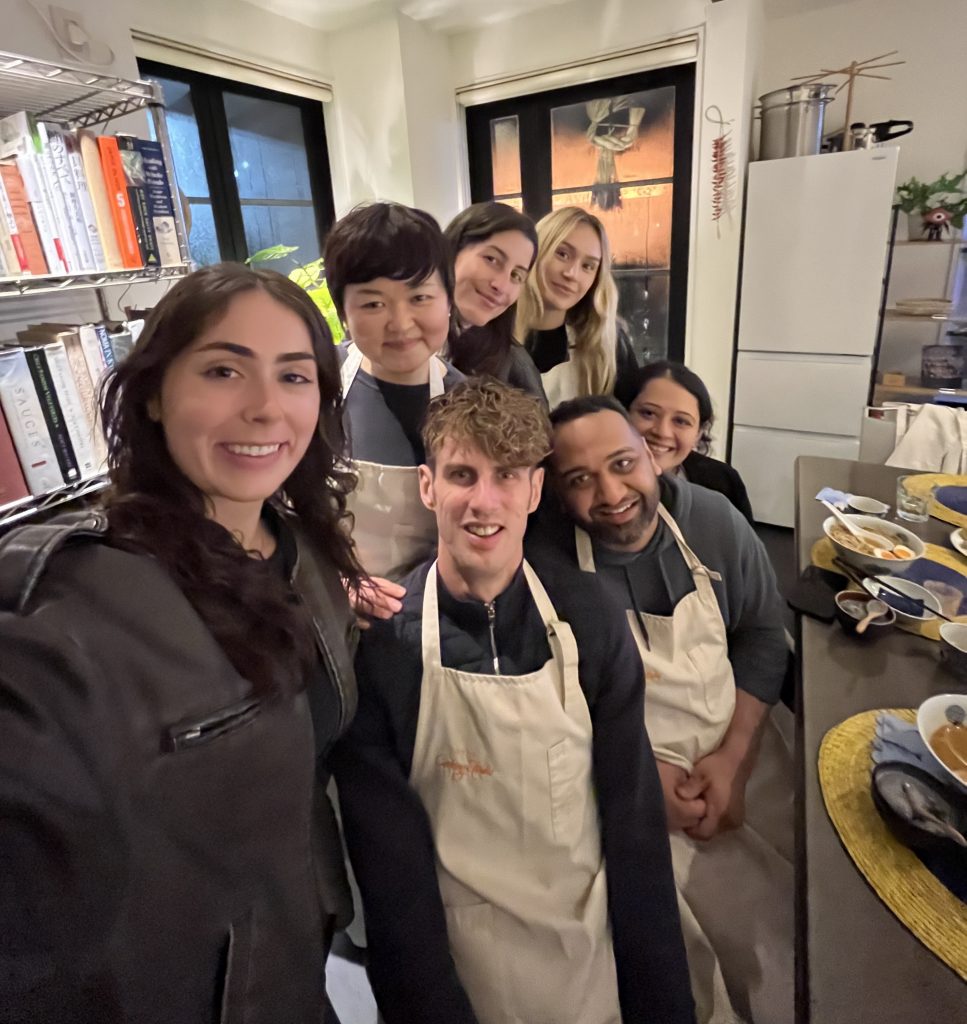
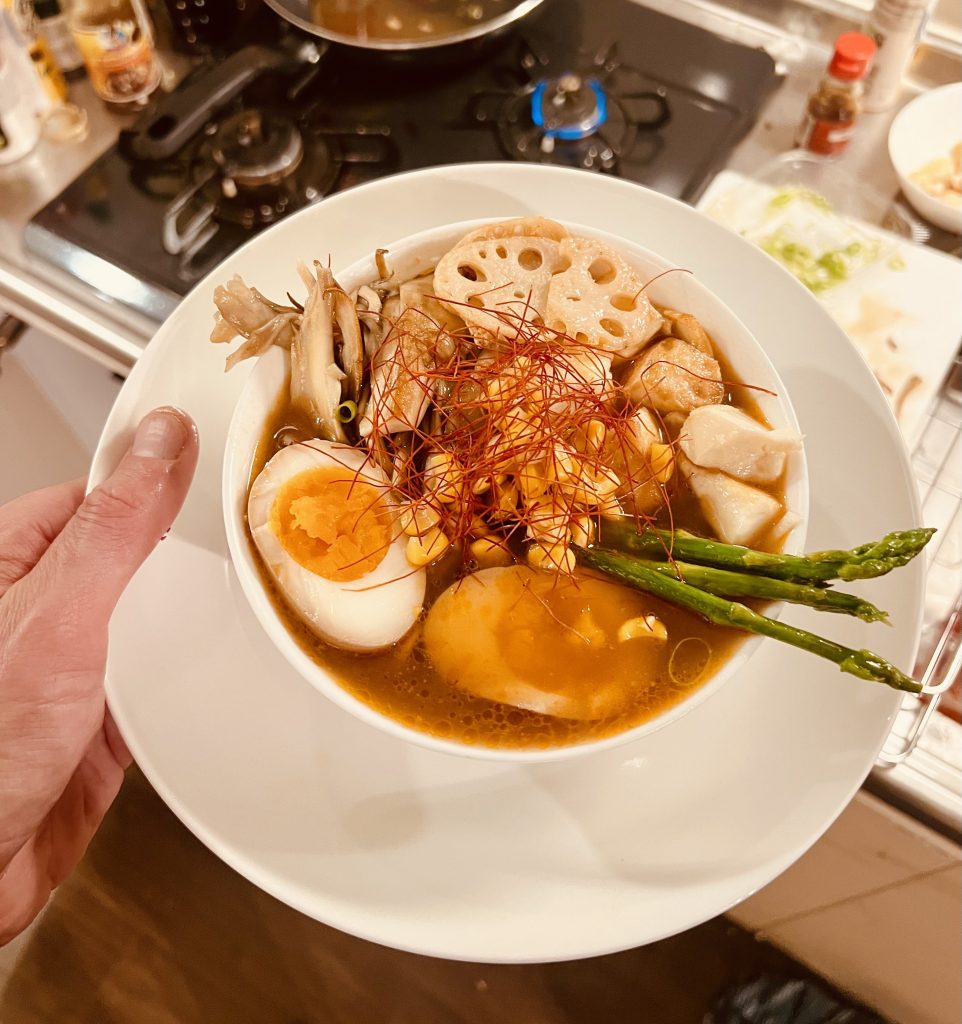
One of my favourite experiences was a ramen class in Tokyo. It was fun, social, but also incredibly practical. The recipe was genius — simple, repeatable, and built around ingredients available everywhere in Japan. I made that same Ramen multiple times and even replicated it in South America many times. São Paulo and its Japanese community in Liberdade, was a great place to stock up on Kelp for its base.
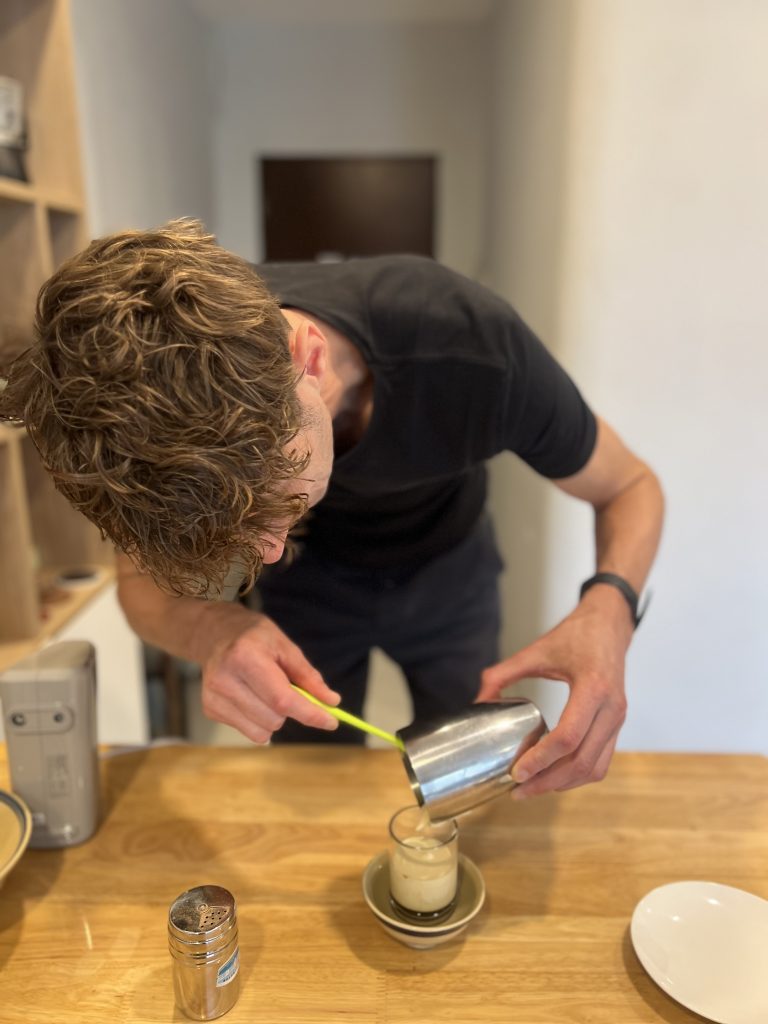
In Vietnam, I visited a coffee farm and learned how to make traditional Vietnamese coffee. I now travel with a small Phin filter that produces better coffee than my £600 machine at home It is simple, effective, and works anywhere. Vietnamese coffee is on another level. When I’m home, my machine is getting sold!
This is where cooking shifts from being a financial tool to something more. It becomes part of the journey. You start to engage with places differently. Instead of just walking through a market and taking a photo, you actually use it, buying ingredients and supporting locals.
Markets, ingredients, local techniques. You are no longer just passing through — you are actually living like a local.
The system itself is simple, but it is what makes everything work.
You bring what is hard to find and buy everything else locally. Spice pastes are the perfect example. They weigh very little but form the base of full meals. A few tubes of something like Patak’s curry paste can unlock dozens of meals anywhere in the world. Once you have that base, all you need locally is vegetables and protein.
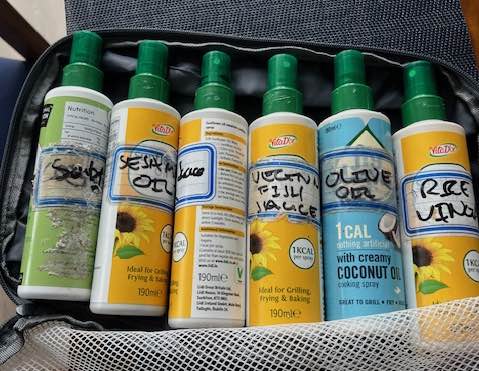
I also carry a few lightweight essentials. Soy sauce, salt, basic flavourings decanted into small bottles. It sounds minor, but it avoids constantly rebuying basics and gives you consistency from day one. Just make sure it is well wrapped up in a trusty Ikea bag.
The second part is equipment. Airbnb Apartment are inconsistent. Some hosts are good, many think good kit is an afterthought. I soon learn dicing onions with a blunt pairing knife is no fun! The two things that matter to a pro chef are a good pan and a sharp knife. Carrying them might seem excessive, but it gives you standardisation. You remove 80% of the friction by carrying them.
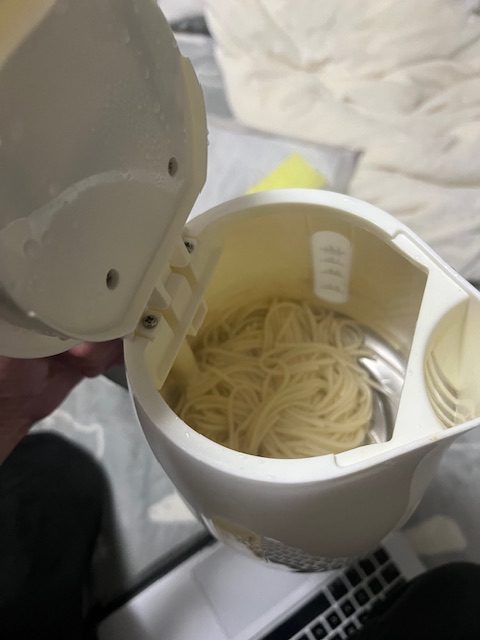
The third part is organisation. Recipes, meal systems, combinations I know work are stored on a library on Dropbox. When you arrive in an unfamiliar store, you can pull it up your Dropbox, drop into Google translate and get ingredients quickly. I was even able to create a Chilli Con Carne blend in Brazil from scratch by translating into Portuguese.
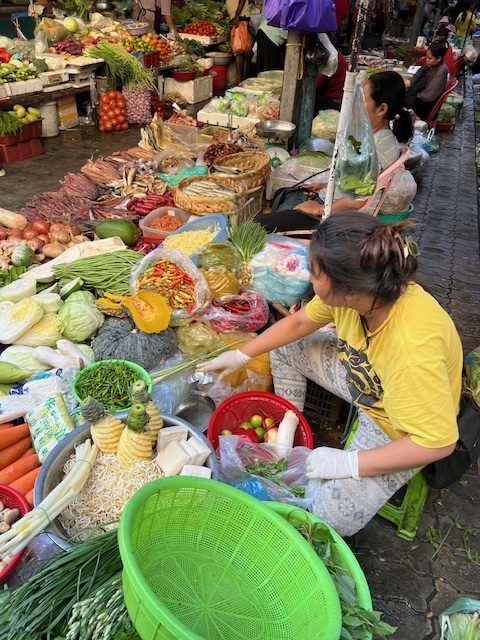
The final part is adaptation. This is where the real skill develops. You will not always find the exact ingredients you want. At first that feels frustrating as in the UK we are spoilt by excellent supermarkets A humble Sainsburys local is actually genius, one of the best things about the UK! Over time frustration becomes a great education. You learn substitutions, you experiment, and you improve. One of the best examples was in Konya in Turkey, where I used Greek yoghurt as a substitute for coconut milk. Far from the best Green Curry I ever did, but it was a decent enough.
That is the point where you realise you are no longer following recipes, you are cooking with passion and feeling, like a real chef.
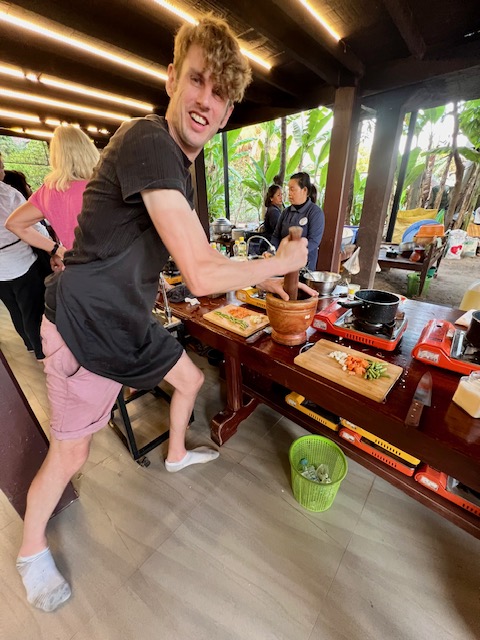
Cooking is not about saving a few pounds. It is what makes the entire system work. It gives you control over your costs, stability across countries and independence from restaurant pricing. Without it, you are constantly reacting to prices, currencies and whatever “Gringo Prices” local restaurateurs fancy debiting from your account that day.
It is the difference between a drifter with no plan and being able to operate globally. More than that, it changes the experience completely. You stop being a visitor and start living properly. Markets instead of menus. Ingredients instead of prices. Decisions instead of arbitrage leakage.
For me, cooking became as much a part of the journey as the travel itself. What started as a financial system, turned into a passion to experience the world through cooking.
For me cooking opens up the world.