
Should tenants all vote for Reform UK?

Nigel Farrage: Landlord’s best friend or secret ally of tenants?
After years of suffocating regulation and tax raids, Britain’s landlords have been treated like public enemy number one. Successive Conservative and Labour governments have bled the sector dry for tax, while blaming it for a housing crisis they created. Then along comes Nigel Farage, the pint-swilling disruptor promising to blow the whole thing wide open.
Reform UK has pledged to tear up the rules that hit landlords hardest. They would reverse Section 24, restoring full mortgage interest relief, abolish stamp duty on most property purchases below £750,000, and scrap the fantasy-land EPC C energy targets that have forced landlords to spend thousands on box-ticking upgrades. Anyone who’s fought with an EPC climate rules assessor knows the points system is hot air (excuse the pun!) Farage has also called the Renters (Reform) Bill “a huge mistake,” warning it will drive small landlords to sell and shrink rental supply even further.
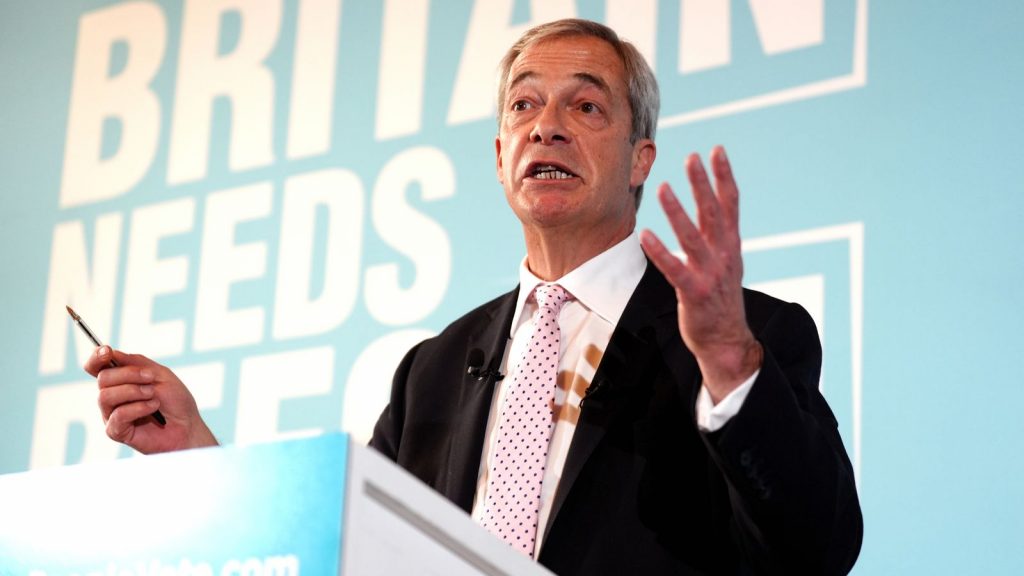
It’s a return to unapologetic free-market thinking, reward risk, cut bureaucracy, and let competition drive value. Many landlords see it as a refreshing break from the endless erosion of increasing tax and regulation. Finally a bit of hope is back in the sector after years of use being demonised by politicians playing to the crowd.
But Farage’s plan comes with a sting in the tail. His signature issue immigration could change the rental market overnight. Reform’s proposal to freeze “non-essential” immigration and tighten “indefinite leave to remain” would hit the very tenants who keep urban markets afloat. In my own portfolio, a good share of renters are foreign nationals with long-term visas or on Indefinite leave to remain. I didn’t back Farage in the 2016 referendum for that reason, my European tenants were good for business and good for Britain.

Yet there’s no denying the link between immigration and rents. Capital Economics estimates that net migration created roughly 430,000 extra renting households between 2021 and 2023, pushing rents about 11% higher than they would have been. Cut that flow sharply and demand will dip fast. We saw what that looks like in 2020. During lockdown I was doing viewings in rubber gloves, offering a free month’s rent just to fill rooms. Then, as immigration surged post-Covid, a room in Nottingham jumped from £395pcm to £495pcm within months. When you see the reality of who new tenancies are being issued to the link between immigration and soaring rents cannot be ignored.
If Farage truly cuts immigration, rents will fall. It’s as simple as supply and demand. For tenants, that means more choice and more bargaining power, a rare win in a market where there is a scarcity of new landlords. For landlords, it will test efficiency. The lazy operators who’ve coasted on endless demand will go under; the good ones will thrive through quality, pricing and service.
That’s what real capitalism looks like, not the government-built circus of endless “tenant protection” laws that do the exact opposite. Every new rule and tax end up backfiring, pushing landlords out, costs rise and then rents go up. Which then causes the tenant to blame the ‘greedy landlords’ for what essentially is government greed for tax. Farage’s deregulation and tax cuts could finally break that doom loop. Most tenants, if asked, would rather have £100 off their rent than another “green initiative” demanding they rip out a boiler that still works. Faux moral virtues don’t pay the bills after all…
For once, Farage might be right: fewer taxes, fewer gimmicks, more competition. That’s how prices in a market fall. The irony is delicious, the man branded as the landlords’ champion might be the one who finally gives tenants cheaper rents.